Digital Marketing Tips for E-commerce Businesses
The change in the dynamics of conducting business through e-commerce is essential to getting ahead and surpassing the competition: having a good digital marketing strategy. Whether you are a small online store owner or a central e-commerce platform, effective digital marketing can draw more potential traffic to yourself and consequently grow, leading to increased sales. In more ways than one, it will provide only practical and proven essential digital marketing tips for your e-commerce businesses.
This guide provides the proper knowledge, from search engine optimization to social media marketing, email campaigns, and paid advertising. When you finish this section, you will have a clear roadmap to elevating your e-commerce business.
Table of Contents
What Is Digital Marketing?
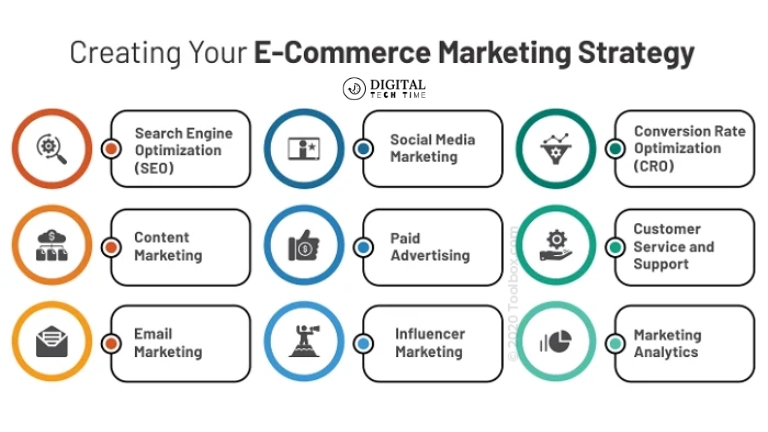
Digital marketing refers to using online channels or strategies to market products and services. In e-commerce businesses, it plays a significant role in customer acquisition and retention. This includes search engine optimization, popularly called SEO; social media marketing; email marketing; content marketing; and paid advertising.
Crafting a Digital Marketing Strategy for Your E-commerce Business
Setting Clear Marketing Goals
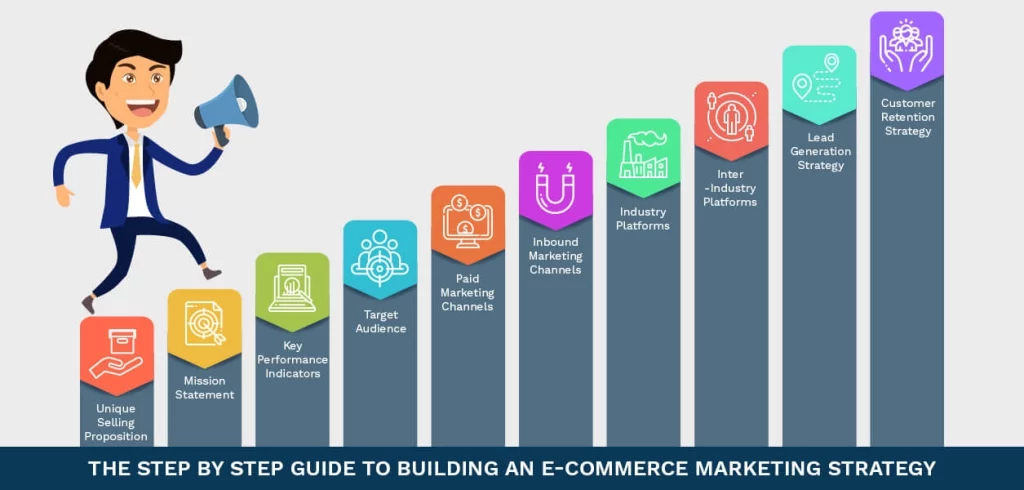
The first step toward any successful digital marketing strategy is clear, typically measurable goal setting. Common online marketing goals for e-commerce companies include increasing traffic to one’s company’s website, increasing conversion rates, and customer retention. In doing so, defining objectives aligns your marketing efforts to achieving the needed results.
- Example Goals:
- Increase organic traffic by 20% within six months.
- Improve conversion rate by 15% through optimized product pages.
- Grow email subscriber list by 25% through targeted campaigns.
Identifying Your Target Audience
Knowing your audience is the real key to formulating any effective marketing strategy. This requires researching your audience and developing buyer personas to find that ideal customer based on his demographic, likes, dislikes, and pain points. This will be your guide in all your marketing efforts to make your messages ring a bell.
- How to Identify Your Target Audience:
- Analyze customer data (e.g., purchase history, site behavior).
- Conduct surveys and gather feedback from existing customers.
- Use tools like Google Analytics to gain insights into audience demographics.
Choosing the Right Marketing Channels
The most important thing to do to reach the audience is to choose the right marketing channel. SEO, social media, email marketing, and paid ads are popular marketing channels used in e-commerce. Therefore, channels should be prioritized according to audience preference and product nature.
- Example Channels:
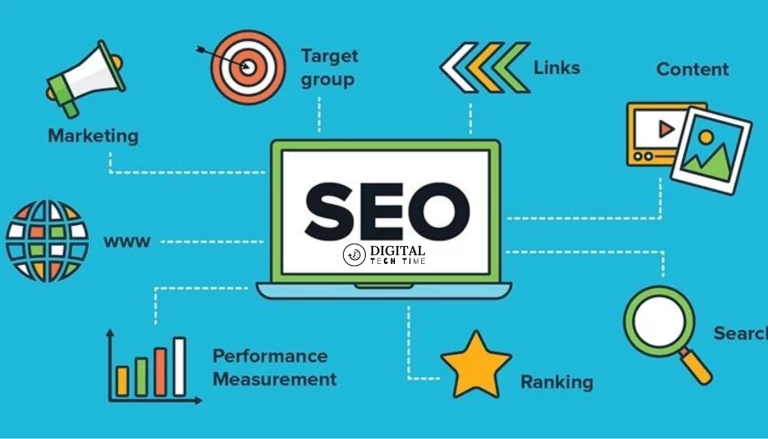
- SEO: Optimize your website to rank higher in search engine results.
- Social Media: Engage with your audience on platforms like Instagram, Facebook, and TikTok.
- Email Marketing: Build relationships and drive repeat sales through targeted email campaigns.
- Paid Ads: Use Google Ads and social media ads to attract new customers.
Effective SEO Strategies for E-commerce Websites
On-Page SEO for E-commerce
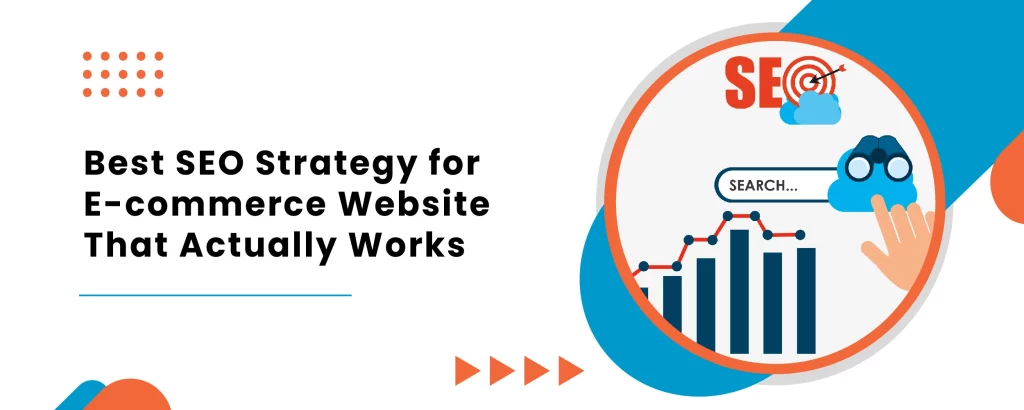
On-page SEO involves optimizing individual pages on your website to improve their visibility in search engines. For e-commerce businesses, this includes optimizing product pages, category pages, and meta descriptions.
- Tips for On-Page SEO:
- Use relevant keywords in product titles, descriptions, and URLs.
- Ensure your website is mobile-friendly and loads quickly.
- Create unique and informative meta descriptions for each page.
Technical SEO Considerations
Technical SEO focuses on optimizing your website’s backend to improve its search engine ranking. This includes ensuring a proper site structure, using schema markup, and addressing common technical issues.
- Key Technical SEO Tips:
- Use a clean and organized URL structure.
- Implement schema markup to enhance search engine understanding.
- Fix broken links and ensure all pages are crawlable.
Building Backlinks and Improving Domain Authority
One of the most important criteria influencing Domain Authority and search engine ranking is backlinks. Quality backlink generation can immensely improve any e-commerce website’s visibility.
- Strategies for Building Backlinks:
- Partner with influencers or bloggers for guest posts and reviews.
- Create valuable content that others want to link to.
- Leverage PR opportunities to gain media coverage.
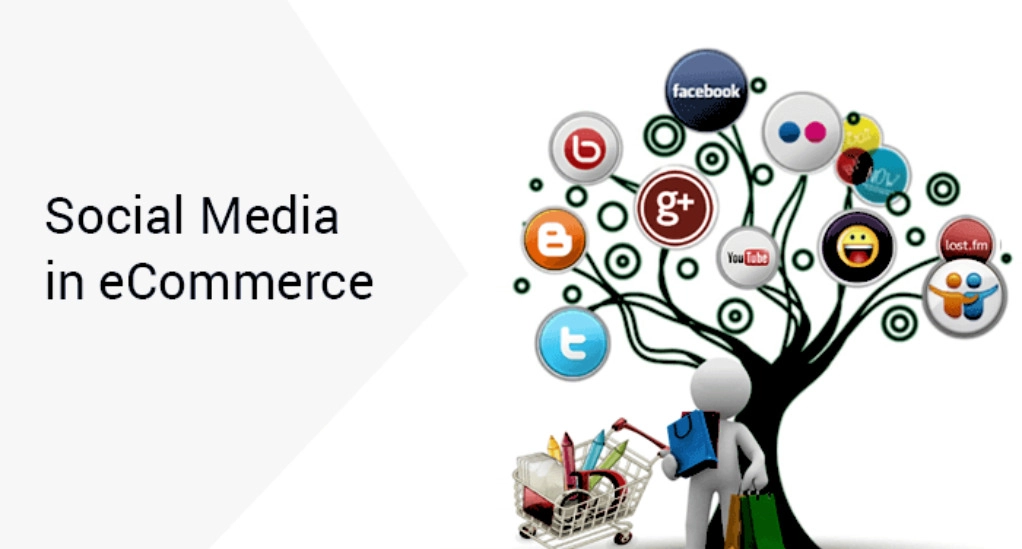
Leveraging Social Media for E-commerce Success
Choosing the Right Social Media Platforms
There is no one-size-fits-all for social platforms; picking those that speak to where your audience has staked a claim of residence and make sense for your business goals is essential. E-commerce businesses find great success on Instagram, Facebook, and TikTok.
- How to Choose:
- Instagram: Ideal for visual products and brands targeting younger audiences.
- Facebook: Great for reaching a broad demographic and running targeted ads.
- TikTok: Perfect for brands looking to engage with a younger, trend-driven audience.
Creating Engaging Social Media Content
Content is king on social media, and creating engaging posts is key to building a loyal following. Focus on content that showcases your products, tells your brand story, and encourages interaction.
- Content Ideas:
- Product demos and tutorials.
- User-generated content and customer testimonials.
- Behind-the-scenes looks at your business.
Running Social Media Ads
Social media advertising allows you to reach a larger audience and drive targeted traffic to your e-commerce store. When running ads, focus on precise targeting, compelling ad creatives, and clear calls to action.
- Best Practices:
- Use high-quality images and videos in your ads.
- A/B test different ad variations to see what works best.
- Set clear objectives, such as driving website visits or increasing sales.
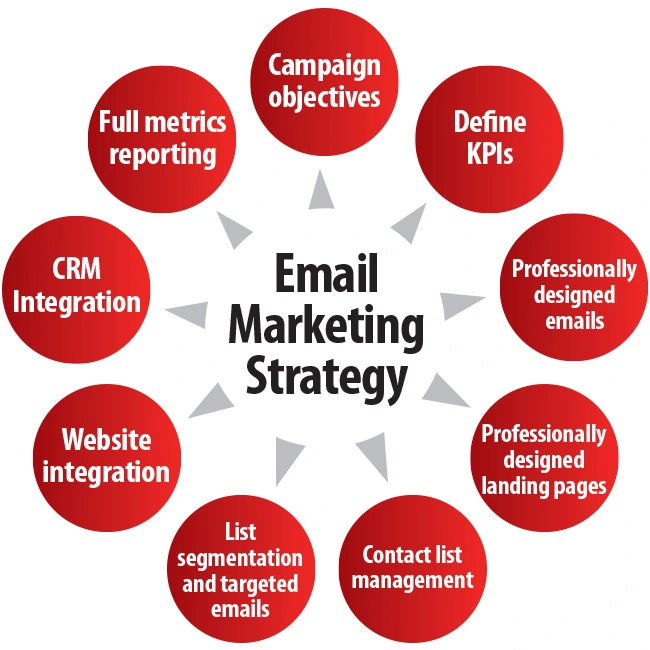
Email Marketing: Building Relationships and Driving Sales
Building an Email List
An email list is a valuable asset for any e-commerce business. It allows you to communicate directly with customers and prospects, driving repeat sales and building long-term relationships.
- How to Grow Your Email List:
- Use pop-ups or exit-intent forms to capture email addresses.
- Offer incentives, such as discounts or free shipping, for sign-ups.
- Promote your email list on social media and your website.
Crafting Effective Email Campaigns
Email marketing is a powerful tool for driving sales. Crafting effective email campaigns involves creating personalized, relevant content that resonates with your audience.
- Types of Email Campaigns:
- Promotional Emails: Highlight special offers and new products.
- Abandoned Cart Emails: Encourage customers to complete their purchases.
- Post-Purchase Emails: Build loyalty by thanking customers and suggesting related products.
Measuring Email Marketing Success
Tracking the performance of your email campaigns is essential for continuous improvement. Focus on key metrics like open rates, click-through rates, and conversion rates.
- Metrics to Track:
- Open Rate: The percentage of recipients who open your email.
- Click-Through Rate: The percentage of recipients who click on a link within your email.
- Conversion Rate: The percentage of recipients who complete a desired action, such as making a purchase.
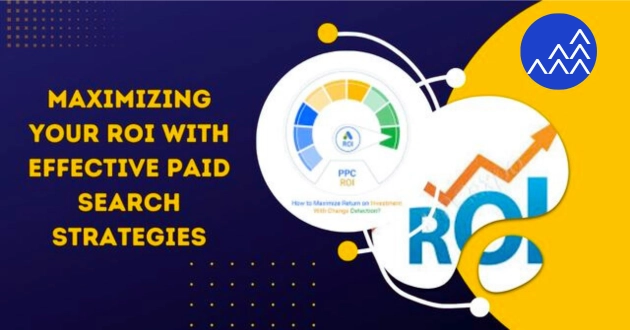
Paid Advertising: Maximizing ROI for E-commerce
Google Ads for E-commerce
Google Ads can be a powerful tool for driving targeted traffic to your e-commerce store. Focus on optimizing ad copy, targeting the right keywords, and managing your budget effectively.
- Google Ads Tips:
- Use Google Shopping Ads to showcase your products directly in search results.
- Bid on long-tail keywords to attract more qualified traffic.
- Monitor your campaigns regularly to adjust bids and improve performance.
Facebook and Instagram Ads
Facebook and Instagram ads are excellent for reaching a large audience and driving sales. Focus on creating visually appealing ads that resonate with your target audience.
- Tips for Success:
- Use carousel ads to showcase multiple products.
- Target lookalike audiences to reach new customers similar to your existing ones.
- Retarget website visitors with personalized ads to encourage conversions.
Retargeting and Remarketing Strategies
Retargeting allows you to reach customers who have previously visited your site but didn’t make a purchase. It’s an effective way to remind potential customers about your products and encourage them to return.
- Retargeting Tips:
- Use dynamic ads to show customers the products they viewed.
- Set up abandoned cart campaigns to recover lost sales.
- Experiment with different ad creatives to see what resonates with your audience.
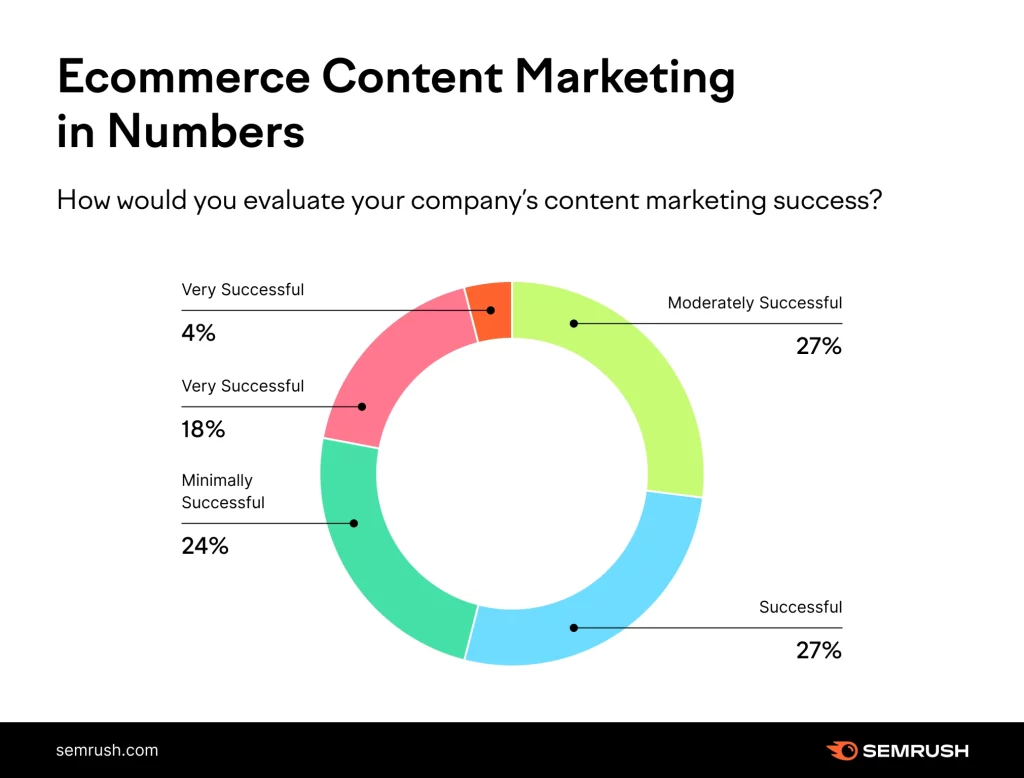
Content Marketing: Building Trust and Authority
Creating Valuable Content for E-commerce
Content marketing is essential for building trust and authority in your niche. Focus on creating content that is valuable, informative, and relevant to your audience.
- Types of Content:
- Blog Posts: Provide in-depth information and insights on topics related to your products.
- How-to Guides: Offer practical advice that helps customers use your products effectively.
- Video Tutorials: Show customers how to use your products through engaging video content.
Using Content to Drive Traffic and Sales
Content marketing can drive traffic to your website and convert visitors into customers. Integrate your content strategy with SEO and social media efforts to maximize its impact.
- Tips for Success:
- Optimize your content for relevant keywords to improve search engine rankings.
- Share your content across social media channels to reach a wider audience.
- Include clear calls to action in your content to guide readers toward making a purchase.
Related Post: Effective Content Marketing: Strategies for Success
Frequently Asked Questions
Which digital marketing strategy is said to be the most prominent for an eCommerce business?
- The single most prominent digital marketing strategy for an e-commerce business is search engine optimization. This strategy helps drive organic traffic to the business website, and increased visibility on the search engines will bring about many sales without necessarily depending on PPC advertising.
How does social media marketing help my eCommerce business?
- Social media marketing allows one to interact with the audience in real-time, create awareness for one’s brand, and sell one’s products directly to customers. The most valuable platforms for an e-commerce business include Instagram, Facebook, and TikTok because they provide a way of conducting specific advertising and reach functions organically.
How often should I send an email campaign to my e-commerce customers?
- The number of email campaigns you will carry out depends on your business type and audience. Nevertheless, you should be able to send 1-2 weekly emails. Most importantly, monitor your email performance input, like open rates and unsubscribe rates, and based on the results, adjust the number of emails accorded so as not to overwhelm the subscribers.
What are the best tools for tracking e-commerce performance?
- One of the best tools for tracking e-commerce performance is Google Analytics; it gives insights into the behaviour of users and sales while conversion rates are made. Other tools are Google Search Console, SEMrush, and HubSpot, which track the performance of SEO activities, email marketing effectiveness, and overall digital marketing activities.
How do I reduce cart abandonment on my e-commerce website?
- Verify that your checkout is effortless and user-friendly to reduce cart abandonment. Provide several payment alternatives, straightforward shipping, and plenty of exit-intent pop-ups reminding your users of the abandoned carts. You can also send follow-up emails with specific incentives, such as discounts, to get customers to complete the order.
Conclusion
In today’s very competitive eCommerce environment, one needs an aggressive digital marketing strategy. By remaining focused on some core areas, such as SEO, social media, email marketing, and paid advertising, one will succeed in driving traffic and improving conversion rates besides building long-lasting relationships with customers. These digital marketing tips for eCommerce businesses provide a stepping stone into the complex world of online marketing.
Remember, there is no one-size-fits-all action plan in digital marketing. Do not stop tracking your performance and monitoring industry trends to optimize your strategies further. With these pointers and staying focused on your vision, you shall be well on your way toward sustainable growth and long-term success in the e-commerce business via the digital marketplace.