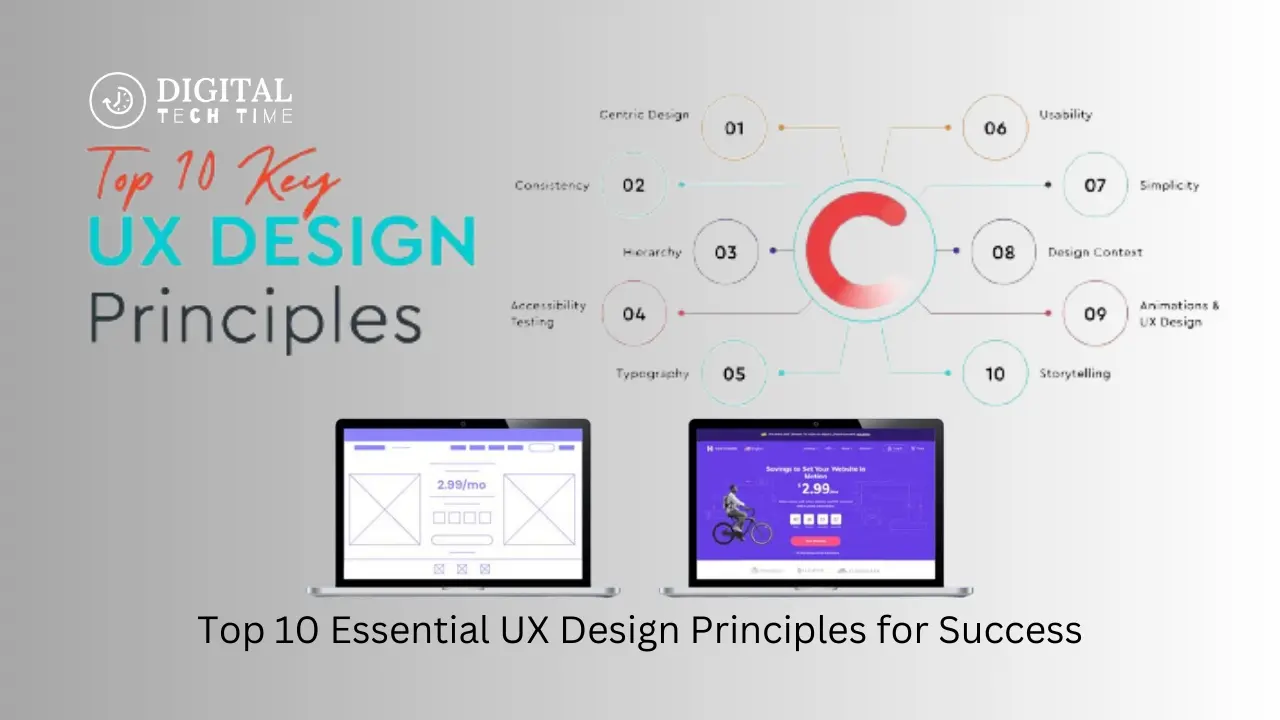
Top 10 Essential UX Design Principles for Success
In the rapidly evolving world of digital technology, UX design emerges as a crucial element in creating meaningful user experiences. Effective UX design is not just about aesthetics; it’s about understanding user behaviour, solving problems, and creating functional and delightful interfaces. This article delves into the top UX Design Principles that every designer, developer, and business should adopt to enhance user engagement and satisfaction.
Table of Contents
Understanding UX Design Principles
UX Design Principles are guidelines that help create a product that meets the user’s needs and is easy to use. These principles are based on extensive research and insights from experts in the field, including psychology, human behaviour, and usability studies.
User-Centric Approach
A user-centric approach is the foundation of UX design. It involves understanding and catering to your target audience’s specific needs, desires, and limitations.
Develop User Personas: Create fictional yet realistic profiles of your key audience segments, including demographics, behaviour patterns, motivations, goals, and pain points.
Analyze User Behavior: Use tools like Google Analytics to gain insights into user interactions and preferences.
Example: Spotify’s personalized playlists, like “Discover Weekly,” are a result of analyzing user behaviour and preferences, providing a custom experience that feels uniquely personal.
Also Read: Decoding the TrkWks Process in Windows 10
Simplicity
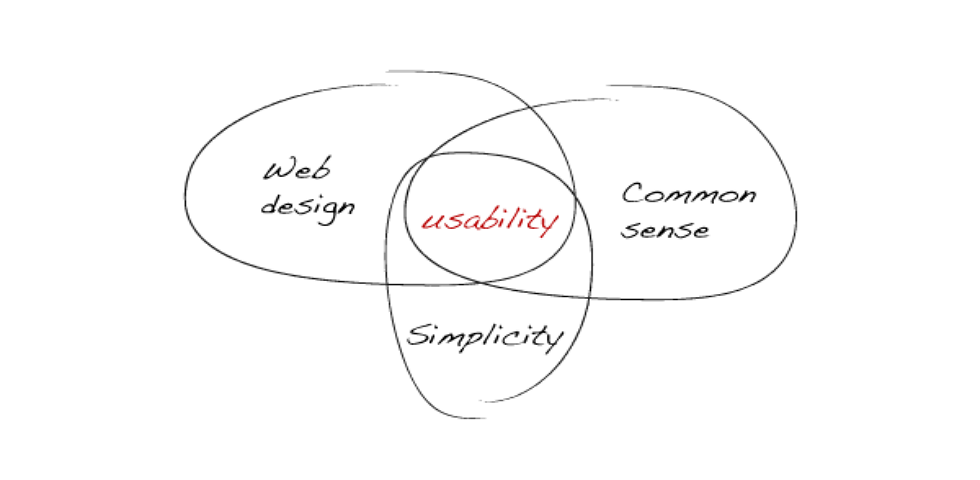
Simplicity is paramount in UX design. An uncomplicated, uncluttered interface, straightforward language, and intuitive navigation are key to a positive user experience.
- Reduce Cognitive Load: Minimize choices and focus on essential elements.
- Clear Language: Use simple and clear language to guide users.
Example: Google’s minimalist homepage design, dominated by the search bar, makes the user’s task clear and distraction-free.
Consistency
Consistency across your design is crucial for a cohesive and intuitive user experience.
- Visual Consistency: Use a consistent colour scheme, typography, and visual elements.
- Interaction Consistency: Maintain consistent interaction patterns across different platforms.
Example: Apple’s ecosystem maintains consistent design elements and interactions across all devices, providing a seamless user experience.
Accessibility
Accessibility ensures that your product is usable by people with a wide range of abilities, including those with disabilities.
Adhere to WCAG: Follow the Web Content Accessibility Guidelines to make your design accessible.
Implement Accessibility Features: Include screen reader compatibility, keyboard navigation, and adjustable text sizes.
Example: The BBC website includes features like screen reader compatibility and subtitles, making its content accessible to a diverse audience.
Usability
Usability is about making your product functional and easy to use.
- Logical Flow: Ensure a logical flow of information and clear calls to action.
- Streamlined Processes: Reduce the number of steps needed to accomplish a task.
Example: Amazon’s website layout is intuitive, with easily identifiable product categories and a streamlined checkout process.
Responsive Design
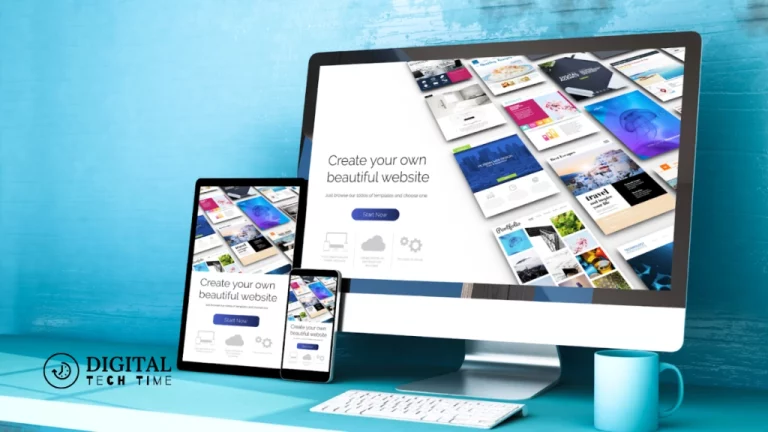
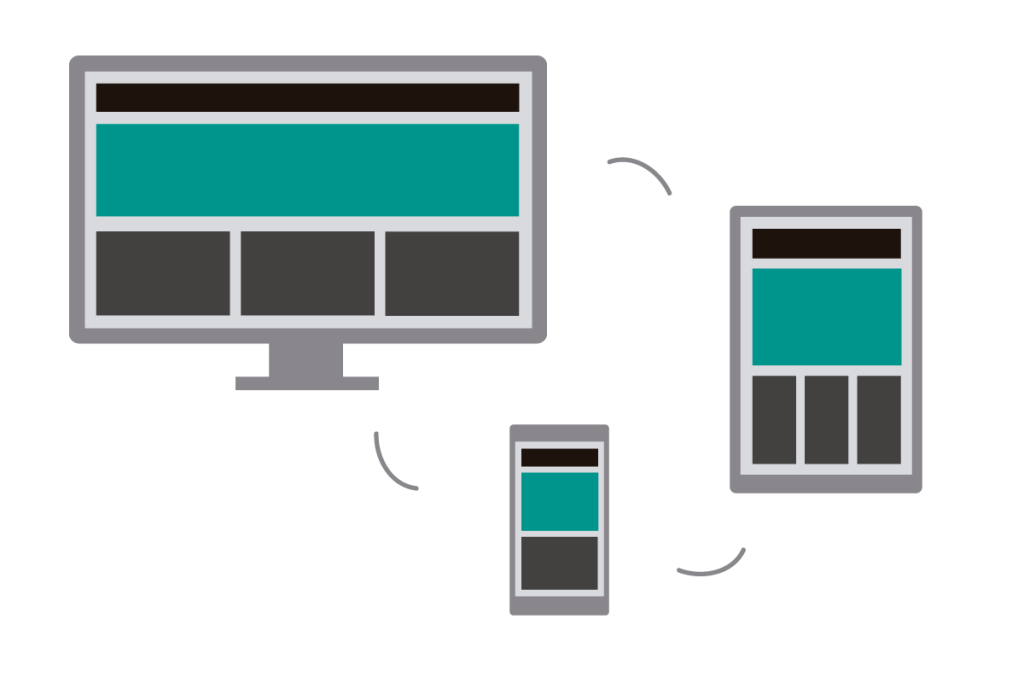
Responsive design ensures your product adapts effectively to different screen sizes and resolutions.
- Flexible Layouts: Use flexible grid layouts that adjust to various screen sizes.
- Mobile Optimization: Optimize for mobile devices to reach a broader audience.
Example: CNN’s website adjusts dynamically to different devices, ensuring content remains legible and navigation user-friendly.
Feedback and Interaction
Effective feedback and interaction mechanisms provide users with clear responses to their actions.
- Immediate Feedback: Use confirmation messages, error alerts, and progress indicators.
- Interactive Elements: Incorporate interactive elements to keep users engaged.
Example: Facebook’s interactive feedback mechanisms, like instant notifications and visual feedback, keep users informed and engaged.
Load Time and Performance
Fast load times and smooth performance are critical in retaining user interest and satisfaction.
- Optimize Images: Compress images and use browser caching to improve load times.
- Minimize HTTP Requests: Reduce the number of HTTP requests to speed up loading.
Example: Shopify’s e-commerce sites maintain fast loading times, which is crucial for keeping user engagement high and reducing bounce rates.
Also Read: How to Compare Two Folders in Windows 10
Visual Hierarchy
Visual hierarchy organizes content to draw the user’s attention to the most important elements.
- Strategic Use of Size and Color: Use size, color, and contrast to highlight key information.
- Content Placement: Position important content prominently to guide the user’s eye.
Example: The New York Times uses visual hierarchy to highlight important stories with larger, bolder headlines.
Testing and Iteration
UX design is a continuous journey that involves regular testing and iteration.
Usability Testing: Conduct usability testing to gather user feedback and identify areas for improvement.
A/B Testing: Use A/B testing to compare design versions and optimize user experience.
Example: Airbnb regularly tests various aspects of its app and website, continually incorporating user feedback to refine the user experience.
Frequently Asked Questions
Q: What is UX Design?
A: UX design, or User Experience design, enhances user satisfaction by improving the usability, accessibility, and pleasure provided in the interaction between the user and the product.
Q: Why are UX Design Principles important?
A: UX Design Principles are crucial because they provide a framework for creating user-friendly, functional, and engaging products. They help ensure the user’s needs are at the forefront of the design process.
Q: How does accessibility impact UX Design?
A: Accessibility ensures that your product is usable by people with a wide range of abilities, including those with disabilities. This inclusivity enhances the overall user experience and broadens your audience.
Q: What is the role of usability in UX Design?
A: Usability focuses on making your product functional and easy to use. It involves creating a logical flow of information, clear calls to action, and reducing the steps needed to accomplish a task.
Q: Why is responsive design important in UX?
A: Responsive design ensures that your product adapts effectively to different screen sizes and resolutions, providing a consistent and user-friendly experience across all devices.
Conclusion
Adopting these top UX Design Principles is crucial for creating digital products that are visually appealing, highly functional, and user-friendly. Remember, the journey to exceptional UX is a process of continuous learning, adaptation, and evolution. By applying these principles, you’ll be well-equipped to create digital experiences that users will love and engage with.
For more insights and professional guidance on UX design, visit NNG Group, Web Accessibility Initiative, and Google Design.