
Master Your Digital Wallet for Secure & Convenient Payments
In an era where digital convenience is not just appreciated but expected, digital wallets stand out as a cornerstone of modern financial transactions. These powerful tools not only simplify purchases but also enhance security, making them a must-have in everyone’s digital arsenal. Whether you’re buying coffee, booking flights, or managing loyalty rewards, digital wallets streamline the process. This guide will walk you through the essentials of digital wallets, from choosing the right one and setting it up to using it securely for a variety of transactions.
Understanding Digital Wallets
What is a Digital Wallet?
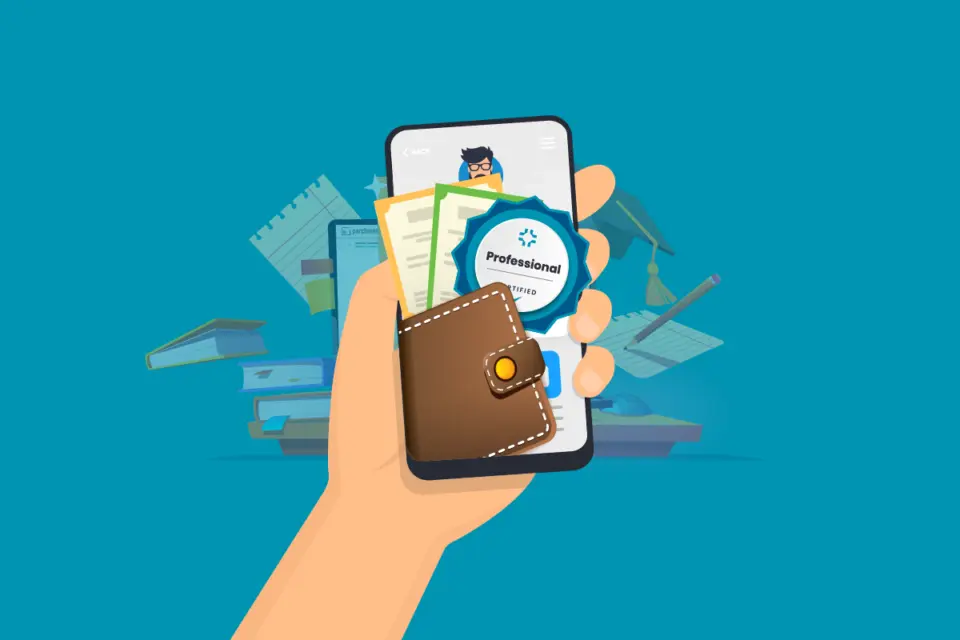
A digital wallet, often referred to as an e-wallet, is a software-based system that securely stores users’ payment information and passwords for numerous payment methods and websites. By using a digital wallet, individuals can complete purchases easily and securely online or at stores that accept contactless payments. They function not only through applications on smartphones and tablets but can also be accessed on desktops and smartwatches, providing a flexible and convenient alternative to traditional physical wallets.
Core Functionality
At its core, a digital wallet is designed to digitize the contents of your physical wallet. This means anything you typically carry in your wallet, such as:
- Credit and debit cards
- Loyalty cards
- Gift cards
- Membership cards
- Coupons
- Driver’s licenses and other IDs
- Tickets for events or transportation
These items are stored digitally and can be accessed on your device. When you make a transaction with a digital wallet, you are essentially transmitting payment details securely to the recipient without the need to physically handle cash or cards.
Technology Behind Digital Wallets
Digital wallets rely on several technologies to function effectively:
- Near Field Communication (NFC): This allows two devices—like a smartphone and a payment terminal—to communicate with each other when they are close together. NFC is the technology behind contactless payments.
- Quick Response (QR) Codes: These are scannable barcodes that can initiate transactions or exchange information quickly and securely.
- Magnetic Secure Transmission (MST): This technology emulates the magnetic stripe on a traditional credit card, allowing older terminals to receive payments from a smartphone.
- Cloud-Based: Some digital wallets store payment information in the cloud, allowing users to access their details from any device that can connect to their account.
Types of Digital Wallets
Digital wallets can be broadly categorized into three types:
- Closed Wallets: These are issued by companies primarily for purchasing goods and services exclusively from the issuer. Any refunds or cancellations also return funds directly to the wallet.
- Semi-Closed Wallets: These wallets are accepted by a listed network of merchants that have a specific agreement with the wallet provider. They can be used both online and in physical stores.
- Open Wallets: Provided mainly by banks or financial institutions, these wallets can be used for a full range of transactions, including withdrawals from ATMs and bank transfers.
Benefits of Digital Wallets
The use of digital wallets offers several advantages over traditional payment methods:
- Convenience: Streamlines the purchasing process at points of sale and online.
- Security: Reduces the risk of physical theft and enhances digital security through encryption and tokenization.
- Speed: Transactions are quick, often requiring just a tap or scan.
- Integration: Can be integrated with other applications for added functionality, like loyalty and rewards programs.
Security Measures
Security is a paramount concern with digital wallets. To protect user information, digital wallets use a variety of methods:
- Encryption: This secures the transmission of data from the wallet to the payment processor.
- Tokenization: This replaces sensitive card information with a token that cannot be used outside of the specific transaction for which it was issued.
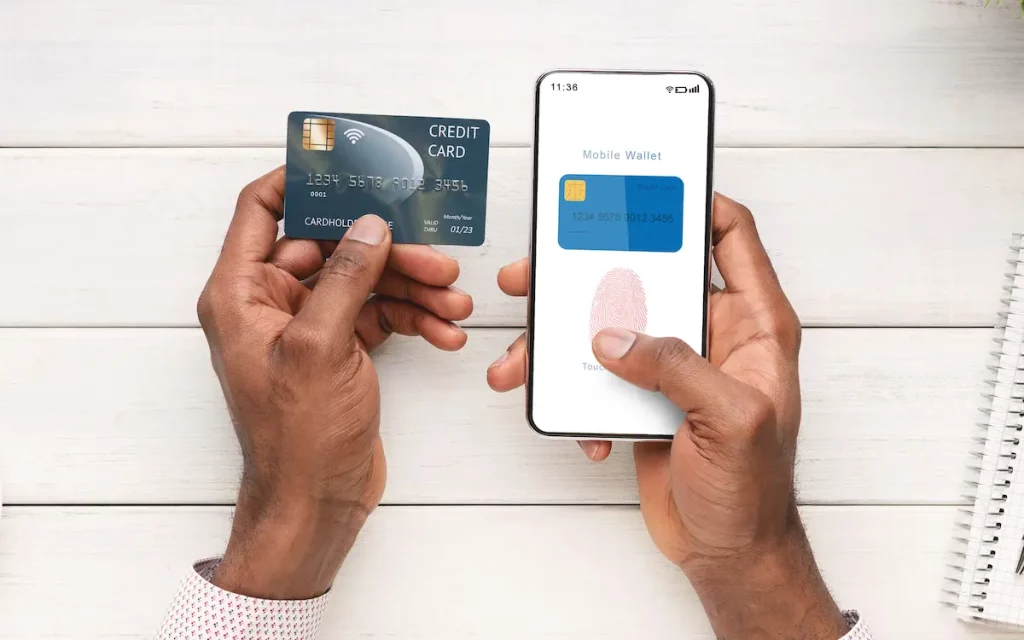
- Biometrics: Many digital wallets require a fingerprint, facial recognition, or a PIN to access, adding an extra layer of security.
Types of Digital Wallets
- Closed Wallets: Used exclusively within certain retailers or ecosystems.
- Semi-Closed Wallets: Accepted by specified merchants under agreement.
- Open Wallets: Offer the widest range of use, including withdrawals and transfers.
Setting Up Your Digital Wallet
Choosing the Right Digital Wallet
Consider compatibility with your device, security features, and the types of transactions you intend to make. Popular options include Apple Pay, Google Wallet, and Samsung Pay.
Steps to Set Up Your Digital Wallet
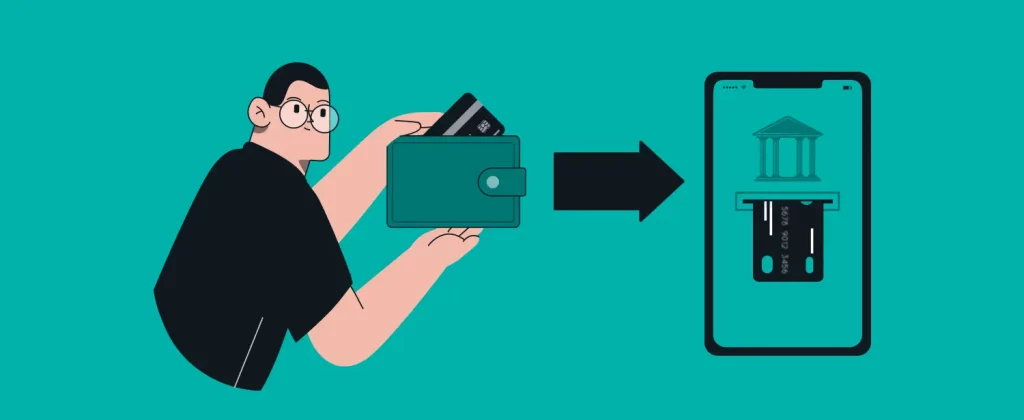
- Download the App: Choose and download your preferred digital wallet application.
- Add Payment Methods: Link your credit, debit cards, or bank accounts.
- Secure Your Wallet: Enable security features such as passwords, fingerprint scans, or facial recognition.
Using Your Digital Wallet
Making In-Store Purchases
- How to Pay: Unlock your device and hold it near the contactless reader until you see confirmation.
- Where You Can Pay: Look for contactless symbols at checkout points.
Online and In-App Purchases
- Setting Up: Ensure your digital wallet is selected as the payment method.
- Benefits: Faster checkouts and enhanced security.
Peer-to-Peer Transfers
- How to Send Money: Choose the recipient, enter the amount, and confirm.
- Security Tips: Only send money to people you know to avoid scams.
Advanced Uses of Digital Wallets
Integrating Loyalty Programs
Store and manage your loyalty cards digitally to never miss out on rewards.
Managing Tickets and Boarding Passes
Keep all your travel documents in one place, accessible with a tap.
Security and Privacy
Protecting Your Digital Wallet
- Regular Updates: Keep your app and device software up-to-date.
- Lost Device Protocol: Know how to remotely lock or wipe your digital wallet if your device is lost.
Privacy Considerations
Understand what data your digital wallet collects and how to control sharing preferences.
Troubleshooting and FAQs
Common Issues
- Failed Transactions: Ensure your device is close to the reader and that you have internet connectivity.
- Updating Payment Methods: Learn how to add, remove, or edit your cards and accounts.
FAQs
- What should I do if my digital wallet is not accepted?
- How do I switch digital wallets?
- Is it safe to link my bank account to a digital wallet?
Conclusion
Digital wallets are more than just a tech trend; they are a practical enhancement to daily life, offering both convenience and increased security for your transactions. As they become more integral to our digital lives, understanding how to use them effectively and safely ensures you can make the most of what they offer without compromising on security or convenience.
More Related Tech…
- Respawn Red and Black Gaming Chair 2024
- The Ultimate Guide on How to View Your Google Search History
- No Boot Device Windows 7