
Importance of Broad Network Access in Cloud Computing
Cloud computing has revolutionized organizations’ operations, offering unparalleled scalability, flexibility, and cost-effectiveness. As businesses embrace this paradigm shift, broad network access has emerged as a critical component, enabling seamless access to cloud resources from anywhere at any time.
This comprehensive guide will delve into the intricacies of broad network access in cloud computing, exploring its significance, benefits, challenges, and best practices. By demystifying this crucial aspect, we aim to empower organizations to harness the full potential of cloud computing while ensuring secure and efficient access to their cloud-based resources.
The concept of broad network access in cloud computing
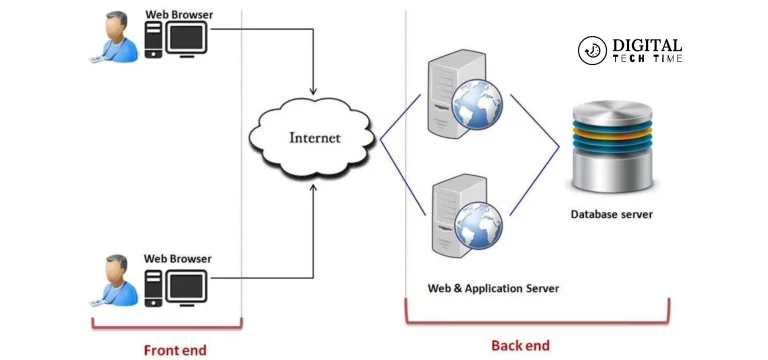
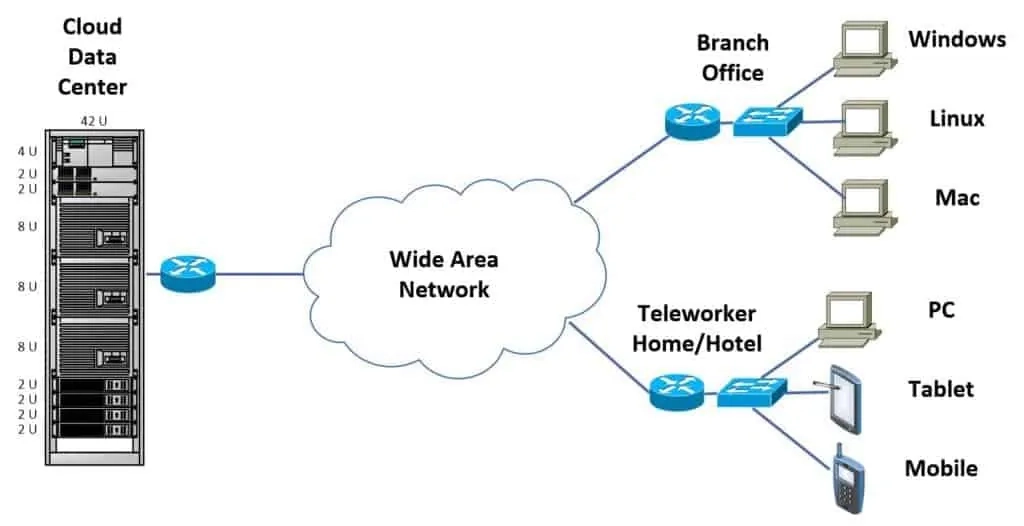
Broad network access, often referred to as ubiquitous access or network accessibility, is one of the essential characteristics of cloud computing. It relates to accessing cloud resources and services over the network, regardless of the user’s location or device. This principle ensures that cloud resources are readily available and accessible from various client platforms, including desktops, laptops, mobile devices, and specialized hardware.
Importance of Broad Network Access in Cloud Computing
The importance of broad network access in cloud computing cannot be overstated. It plays a pivotal role in enabling organizations to leverage the true power of cloud computing, offering numerous advantages:
- Increased Mobility and Flexibility: With broad network access, employees can access cloud-based applications, data, and services from anywhere, fostering a mobile and agile workforce. This flexibility empowers organizations to adapt to changing business landscapes and enables remote work scenarios.
- Improved Collaboration and Productivity: Broad network access facilitates seamless collaboration among team members regardless of their physical locations by providing ubiquitous access to cloud resources. This enhanced collaboration leads to increased productivity, as team members can access shared files, applications, and communication tools from any device at any time.
- Scalability and Resource Optimization: Cloud computing’s inherent scalability allows organizations to allocate dynamically and provision resources based on demand dynamically. Broad network access ensures that these resources can be accessed and utilized efficiently, enabling organizations to optimize their utilization and reduce operational costs.
- Business Continuity and Disaster Recovery: In a localized disaster or disruption, broad network access ensures critical business operations can continue uninterrupted. Employees can access cloud-based resources from alternative locations, minimizing downtime and maintaining business continuity.
Benefits of broad network access in cloud computing
Implementing broad network access in cloud computing offers numerous benefits that can significantly enhance an organization’s operational efficiency, agility, and competitiveness:
- Increased Accessibility: With broad network access, users can access cloud resources virtually anywhere, using various devices, including desktops, laptops, tablets, and smartphones. This accessibility empowers employees to work remotely, fostering a flexible and mobile workforce.
- Improved Collaboration and Productivity: Broad network access facilitates effective collaboration among team members regardless of their geographical locations by enabling seamless access to cloud-based applications, data, and services. This enhanced collaboration increases productivity, as team members can share information, collaborate on projects, and communicate efficiently.
- Cost Savings: Broad network access eliminates the need for organizations to maintain and manage complex on-premises infrastructure. By leveraging cloud resources, organizations can reduce capital expenditures and operational costs associated with hardware, software, and maintenance.
- Scalability and Elasticity: Cloud computing’s inherent scalability allows organizations to allocate dynamically and provision resources based on demand. Broad network access ensures that these resources can be accessed and utilized efficiently, enabling organizations to optimize their utilization and reduce operational costs.
- Business Continuity and Disaster Recovery: In a localized disaster or disruption, broad network access ensures critical business operations can continue uninterrupted. Employees can access cloud-based resources from alternative locations, minimizing downtime and maintaining business continuity.
- Improved Security and Compliance: Cloud service providers often implement robust security measures and adhere to industry-standard compliance regulations. By leveraging broad network access to cloud resources, organizations can benefit from these enhanced security measures without significant investments in on-premises security infrastructure.
Challenges and considerations of implementing broad network access
While broad network access offers numerous benefits, organizations must also consider and address potential challenges and considerations when implementing this aspect of cloud computing:
- Network Connectivity and Performance: Ensuring reliable, high-speed network connectivity enables broad access. Organizations must evaluate their network infrastructure and consider upgrades or alternative solutions, such as content delivery networks (CDNs) or edge computing, to ensure optimal performance and minimize latency.
- Security and Access Control: With broad network access, organizations must implement robust security measures to protect their cloud resources from unauthorized access and potential cyber threats. This includes implementing robust authentication mechanisms, encryption protocols, and access control policies to ensure data privacy and integrity.
- Compliance and Regulatory Requirements: Depending on the industry and geographical location, organizations may need to adhere to specific compliance and regulatory requirements related to data privacy, data sovereignty, and access controls. Compliance with these regulations is essential when implementing broad network access to cloud resources.
- Device Management and Compatibility: Users access cloud resources from various devices, so organizations must ensure compatibility and consistent user experiences across different platforms and operating systems. Implementing device management policies and leveraging cloud-based solutions can help address this challenge.
- Network Monitoring and Troubleshooting: As users access cloud resources from different locations and networks, monitoring and troubleshooting network performance and connectivity issues become more complex. Organizations may need to implement network monitoring tools and establish efficient incident management and resolution processes.
Best practices for achieving broad network access in cloud computing
To effectively implement and leverage broad network access in cloud computing, organizations should consider adopting the following best practices:
- Conduct a Thorough Network Assessment: Evaluate your existing network infrastructure, bandwidth capabilities, and connectivity requirements to ensure your network can support broad access to cloud resources. Identify potential bottlenecks or performance issues and develop a plan to address them.
- Implement Robust Security Measures: Implement strong authentication mechanisms, such as multi-factor authentication (MFA), and ensure that all network connections are encrypted using industry-standard protocols like SSL/TLS. Access control policies should also be implemented, regularly reviewed, and updated to maintain a secure environment.
- Leverage Content Delivery Networks (CDNs): CDNs can significantly improve the performance and availability of cloud-based applications and services by caching and distributing content from geographically distributed servers. CDNs can enhance the user experience and minimize latency, especially for globally distributed users.
- Implement Monitoring and Logging: Implement comprehensive monitoring and logging solutions to track network performance, user access, and potential security incidents. This data can provide valuable insights for troubleshooting, optimizing performance, and ensuring compliance with regulatory requirements.
- Develop a Comprehensive Device Management Strategy: Establish policies and procedures for managing and securing the diverse range of devices used to access cloud resources. Consider implementing mobile device management (MDM) solutions to enforce security policies, manage software updates, and remotely wipe data from lost or stolen devices.
- Foster a Culture of Secure Remote Access: Educate employees on the importance of secure remote access practices, such as using strong passwords, avoiding public Wi-Fi networks for sensitive data access, and reporting potential security incidents promptly.
- Regularly Review and Update Policies and Procedures: Review and update your policies and procedures related to broad network access, considering evolving security threats, compliance requirements, and technological advancements. This proactive approach ensures that your organization remains resilient and adaptable in the ever-changing cloud computing landscape.
Tools and technologies for enabling broad network access
To effectively implement and manage broad network access in cloud computing, organizations can leverage various tools and technologies:
- Virtual Private Networks (VPNs): VPNs provide a secure and encrypted connection between remote users and the cloud resources, ensuring data privacy and integrity. Organizations can implement site-to-site VPNs or client-based VPNs to enable secure remote access.
- Software-Defined Wide Area Networks (SD-WANs): SD-WANs offer a more intelligent and flexible approach to managing wide area networks, allowing organizations to optimize network performance, improve reliability, and reduce costs associated with traditional WAN solutions.
- Identity and Access Management (IAM) Solutions: IAM solutions, such as Azure Active Directory or Amazon Web Services (AWS) Identity and Access Management (IAM), provide centralized user authentication, authorization, and access control mechanisms, ensuring secure access to cloud resources.
- Content Delivery Networks (CDNs): CDNs can significantly improve the performance and availability of cloud-based applications and services by caching and distributing content from geographically distributed servers, minimizing latency, and enhancing the user experience.
- Network Monitoring and Analytics Tools: Tools like Splunk, Nagios, and SolarWinds can provide comprehensive network monitoring and analytics capabilities, enabling organizations to proactively identify and resolve performance issues, detect security threats, and optimize network resources.
- Mobile Device Management (MDM) Solutions: MDM solutions, such as Microsoft Intune or VMware Workspace ONE, enable organizations to manage and secure mobile devices, access cloud resources, enforce security policies, manage software updates, and remotely wipe data from lost or stolen devices.
- Cloud-Based Collaboration and Productivity Tools: Cloud-based collaboration and productivity tools, such as Microsoft Office 365, Google Workspace, and Slack, facilitate seamless collaboration and communication among team members, regardless of their location or device, leveraging the power of broad network access.
Case studies showcasing the impact of broad network access in cloud computing
To illustrate the real-world impact of broad network access in cloud computing, let’s explore some compelling case studies:
- Global Retail Company: A multinational retail company with operations in over 50 countries implemented a cloud-based enterprise resource planning (ERP) system. By leveraging broad network access, the company enabled its employees, suppliers, and partners to access the ERP system from anywhere, streamlining supply chain management, inventory tracking, and financial operations—this improved collaboration and data visibility across the organization, leading to increased operational efficiency and cost savings.
- Healthcare Provider: A primary healthcare provider adopted a cloud-based electronic health records (EHR) system to improve patient care and streamline operations. With broad network access, healthcare professionals could access patient records, medical imaging, and treatment plans from any location, ensuring continuity of care and timely decision-making—this enhanced collaboration among healthcare teams and improved patient outcomes.
- Engineering and Construction Firm: A global engineering and construction firm implemented a cloud-based project management and collaboration platform. By leveraging broad network access, project teams could access project documents, drawings, and communication tools from construction sites, remote offices, and even while traveling. This real-time collaboration and information sharing improved project coordination, reduced delays, and increased productivity across multiple construction projects.
- Financial Services Company: A leading financial services company adopted a cloud-based customer relationship management (CRM) system to enhance customer service and sales operations. With broad network access, sales representatives and customer service agents could access customer data, account information, and communication tools from anywhere, enabling them to provide timely and personalized support, regardless of location.
These case studies demonstrate the transformative impact of broad network access in cloud computing, enabling organizations to streamline operations, enhance collaboration, improve customer experiences, and drive overall business growth and competitiveness.
Future trends and developments in broad network access
As cloud computing continues to evolve, several trends and developments are shaping the future of broad network access:
- 5G and Edge Computing: The advent of 5G networks and the rise of edge computing will further enhance broad network access capabilities. 5G’s ultra-low latency and high bandwidth will enable seamless access to cloud resources. At the same time, edge computing will bring computation and data storage closer to the end-users, reducing latency and improving performance.
- Internet of Things (IoT) Integration: The proliferation of IoT devices and the increasing adoption of cloud-based IoT platforms will drive the need for secure and reliable broad network access. Organizations must ensure that IoT devices can seamlessly connect to cloud resources, enabling real-time data exchange, monitoring, and control.
- Intelligent Network Optimization: Advancements in artificial intelligence (AI) and machine learning (ML) will enable intelligent network optimization, dynamically allocating network resources and optimizing performance based on usage patterns, user locations, and application requirements.
- Secure Access Service Edge (SASE): SASE is an emerging cybersecurity concept that combines network and security functions into a single, cloud-based service. SASE solutions aim to provide secure and optimized access to cloud resources, regardless of user location or device, while simplifying network and security management.
- Quantum Computing and Cryptography: Data encryption and security protocols will be affected as quantum computing advances. Organizations must adapt their broad network access strategies to incorporate quantum-resistant cryptography and security measures to protect their cloud resources from potential quantum computing threats.
- Augmented Reality (AR) and Virtual Reality (VR) Integration: Integrating AR and VR technologies with cloud computing will drive the need for high-bandwidth and low-latency network access. Organizations may need to enhance their network infrastructure and leverage edge computing to support immersive experiences and real-time data processing for AR and VR applications.
These trends and developments highlight the ever-evolving nature of broad network access in cloud computing, emphasizing the need for organizations to stay agile, adaptable, and proactive in embracing new technologies and strategies to maintain a competitive edge.
Frequently Asked Questions (FAQs)
What is broad network access in cloud computing?
Broad network access, also known as ubiquitous access or network accessibility, is the ability to access cloud resources and services over the network from various client platforms, regardless of the user’s location or device.
Why is broad network access important in cloud computing?
Broad network access is crucial in cloud computing because it enables organizations to leverage the full potential of cloud computing by providing increased mobility, improved collaboration, scalability, and business continuity. It empowers employees to access cloud resources anywhere, fostering a flexible, mobile workforce.
What are the challenges of implementing broad network access in cloud computing?
Key challenges include ensuring reliable and high-speed network connectivity, implementing robust security measures and access controls, adhering to compliance and regulatory requirements, managing device compatibility, and effectively monitoring and troubleshooting network performance.
What are the best practices for achieving broad network access in cloud computing?
Best practices include conducting thorough network assessments, implementing robust security measures, leveraging content delivery networks (CDNs), implementing monitoring and logging, developing a comprehensive device management strategy, fostering a culture of secure remote access, and regularly reviewing and updating policies and procedures.
What tools and technologies can enable broad network access in cloud computing?
Standard tools and technologies include virtual private networks (VPNs), software-defined wide area networks (SD-WANs), identity and access management (IAM) solutions, content delivery networks (CDNs), network monitoring and analytics tools, mobile device management (MDM) solutions, and cloud-based collaboration and productivity tools.
How will future trends and developments impact broad network access in cloud computing?
Future trends like 5G and edge computing, Internet of Things (IoT) integration, intelligent network optimization, Secure Access Service Edge (SASE), quantum computing and cryptography, and augmented reality (AR) and virtual reality (VR) integration will shape the future of broad network access, driving the need for enhanced performance, security, and adaptability.
Conclusion
In the dynamic landscape of cloud computing, broad network access stands as a foundational pillar, enabling organizations to unlock the true potential of cloud-based resources and services. By providing ubiquitous access to cloud resources from anywhere, at any time, and on any device, broad network access empowers organizations to foster a mobile and agile workforce, enhance collaboration, optimize resource utilization, and ensure business continuity.