
Voice Technology Ascends: Powering New Era with Voice-Enabled Interfaces in Computing
Welcome to the new era of computing, marked by voice technology. The primary interface for human-machine interaction is the spoken word, with voice technology-enabled devices and natural language processing (NLP) advancements leading to a transformative shift in how we interact with voice technology. This blog post explores the rise of voice-enabled interfaces, their impact on various industries, and their implications for the future of computing. The rise of voice recognition and voice assistants has significantly accelerated the growth of the voice user interface. These tools enable users to interact with devices and applications using their voice as the primary communication method, revolutionizing the way we interact with voice technology.
Advancements in Voice Technology
Advancements in Voice Technology” explores the significant developments that have transformed voice technology from a novel concept into a pivotal aspect of daily life. Early voice recognition systems were rudimentary, capable of understanding only limited and specific commands, and often struggled with variations in speech patterns, accents, or ambient noise.
A significant advancement came with the integration of artificial intelligence (AI) and machine learning. These technologies allowed voice systems to learn and adapt to individual speech patterns, significantly improving accuracy. Modern voice assistants can understand natural language, meaning they can process and respond to spoken sentences much as a human would, rather than just pre-set commands.
Another key development is the widespread adoption of voice technology across various devices and platforms. From smartphones and smart speakers
Voice Technology Evolution: From Basic Speech Recognition to Advanced Natural Language Processing
Chronicles the journey of voice technology from its initial stages to its current advanced form. Initially, voice technology was primarily focused on speech recognition, which involved the basic task of converting spoken words into text. This phase was characterized by systems that could recognize spoken language,
but they often struggled with accents, speeds of speech, and background noises and were limited to a specific vocabulary. As the technology evolved, it made a significant leap to natural language processing (NLP). This advancement meant that voice technology no longer just transcribed speech, but it also began to understand and interpret the context and intent behind spoken phrases. NLP allows computers to analyze,
understand, and respond to human language in a way that is both meaningful and useful. This shift has enabled voice technology to be more conversational and interactive, supporting a wide range of applications from voice-activated assistants like Siri and Alexa to customer service chatbots.
Throughout this evolution, voice technology has continually become more sophisticated, integrating machine learning and AI to improve its responsiveness and accuracy
Today’s systems can handle complex language structures, dialects, and idioms, making them far more versatile and user-friendly. The evolution from basic speech recognition to advanced NLP showcases the significant strides made in making technology more accessible and intuitive for human interaction.
Applications Across Industries: Voice technology
Voice Technology” explores how voice technology is being integrated into various sectors, revolutionizing the way businesses and consumers interact with services and devices.
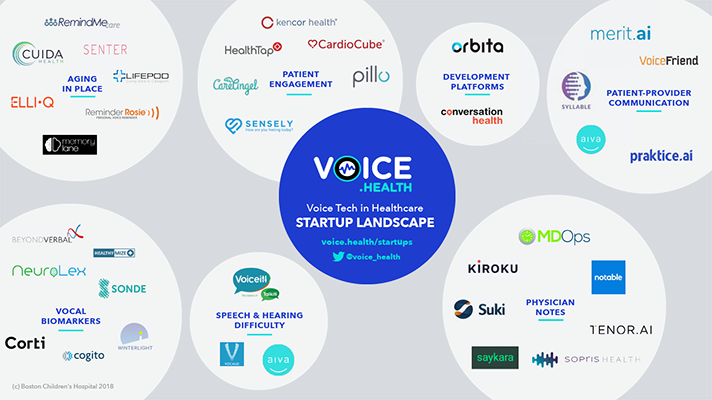
- Healthcare: Voice technology in healthcare allows for more efficient patient data collection, supports hands-free documentation for surgeons or practitioners, and provides voice-activated assistance for patients with mobility or visual impairments.
- Retail: In the retail sector, voice-assisted shopping is becoming increasingly popular. Customers can use voice commands to search for products, compare prices, and make purchases, enhancing the shopping experience and improving accessibility.
- Automotive: The automotive industry is leveraging voice technology for enhanced in-car experiences. Drivers can control navigation, music, and car settings using voice commands, thereby reducing distractions and increasing safety.
- Banking and Finance: Voice technology is transforming the banking sector by enabling voice-activated transactions and account management, providing a more convenient and secure way for customers to manage their finances.
- Education: In education, voice-assisted technologies are being used to create more interactive and engaging learning environments. They assist in language learning, reading for visually impaired students, and enabling hands-free control in laboratories.
- Home Automation: Voice technology is central to smart home devices. It allows users to control lighting, temperature, security systems, and other home appliances through voice commands, making home management more convenient and efficient.
- Customer Service: Many businesses are adopting voice technology for customer service. Voice bots and virtual assistants can handle customer queries, provide information, and even troubleshoot basic issues, leading to faster and more efficient customer service.
- Accessibility: Across all industries, voice technology plays a critical role in enhancing accessibility, particularly for individuals with physical or visual impairments, by enabling them to
Breaking Barriers: Promoting Inclusivity and Accessibility in Society (voice technology)

Promoting Inclusivity and Accessibility in Society” focuses on the essential strides being made towards creating a more inclusive world. This movement is not just about removing physical impediments but also about dismantling societal and digital obstacles that hinder full participation for all individuals. Efforts in various sectors, from public infrastructure and technology to education and employment,
aim to ensure that everyone, regardless of ability or background, has equal access and opportunities. Technology plays a pivotal role in this mission, offering innovative solutions that assist those with disabilities and enabling a more inclusive environment. Inclusivity also extends to acknowledging and embracing diversity in all its forms, fostering an environment where differences are celebrated, and every individual feels valued and heard. This commitment to inclusivity
Challenges and Considerations of Voice Technology
Voice technology reflects the complexities and hurdles faced in optimizing and integrating these systems across various applications. Despite the significant advancements, several key issues remain.
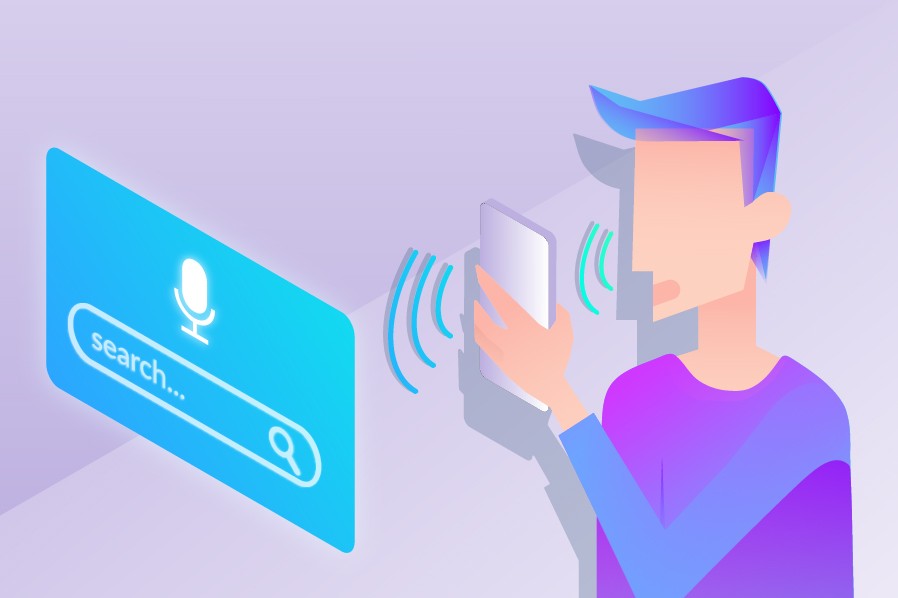
Accuracy and Reliability: Voice recognition technology must accurately understand and process a wide range of languages, dialects, and accents. Variability in speech patterns, background noise, and colloquial expressions can pose significant challenges to accuracy.
Privacy Concerns: With voice technology often relying on cloud-based systems, concerns about data privacy and security are paramount. The potential for voice recordings to be intercepted, stored, or misused raises significant privacy issues.
Integration and Compatibility: Integrating voice technology into existing systems and ensuring compatibility across different platforms and devices can be challenging. This includes maintaining consistent performance across various hardware and software environments.
User Acceptance and Trust: Convincing users to trust and accept voice technology, especially in sensitive applications like banking or healthcare, is a hurdle. Concerns about the technology making errors or being used inappropriately can hinder adoption.
Accessibility and inclusiveness: ensuring voice technology is accessible and inclusive for people with speech impairments or disabilities is crucial. Systems need to be designed to accommodate diverse users, including those with atypical speech patterns.
Ethical Considerations: As voice technology evolves, ethical questions around consent, information sharing, and the potential for bias in AI algorithms must be addressed. Ensuring the ethical use of voice data is a significant consideration.
Cost and Resource-Intensive Development: Developing sophisticated voice technology systems requires significant investment in AI, machine learning, and natural language processing technologies, which can be resource-intensive.
Legal and Regulatory Compliance: Voice technology must comply with a range of legal and regulatory standards, particularly in industries like healthcare and finance, where compliance is critical.
Addressing these challenges and considerations is crucial for the advancement and responsible deployment of voice technology across different sectors. As the technology matures, ongoing research and development, along with thoughtful consideration of these issues, will be essential to realizing its full potential.
The Future of voice technology-Enabled Computing
“The Future of Voice-Enabled Computing” envisions a world where voice interaction becomes a primary interface for technology, seamlessly integrating into our daily lives. Continuous advancements in natural language mark this future. Processing and AI,
Enabling more intuitive and human-like interactions. Voice-enabled devices will extend beyond smartphones and smart speakers to encompass a wider range of IoT devices and systems, making smart homes and cities more connected and responsive. With the evolution of voice technology, we’ll see increased personalization, efficiency, and accessibility in computing,
Fundamentally transforming how we interact with machines and digital environments. This era of voice-enabled computing promises not only convenience but also a more inclusive technological landscape, accommodating diverse needs and preferences.

The table presents a comprehensive list of various voice technology applications, each with a brief description.
| Voice Technology Application | Description |
|---|---|
| Virtual Assistants | AI-powered assistants like Siri, Alexa, and Google Assistant for various tasks. |
| Voice-Activated Home Automation | Controlling home devices like lights and thermostats through voice commands. |
| Speech-to-Text Services | Converting spoken words into written text for documentation or communication. |
| Voice-Enabled Customer Service | Customer service bots and systems that respond to voice queries and commands. |
| Voice-Controlled Devices | Devices like smartphones, TVs, and cars controlled entirely by voice. |
| Language Translation Services | Real-time translation of spoken language into other languages. |
| Accessible Technology for Disabled | Assisting people with disabilities through voice-guided technology. |
| Voice Biometrics | Using voice recognition for identity verification and security. |
| Interactive Voice Response (IVR) Systems | Systems that route calls and provide information based on voice input. |
| Voice-Powered Search and Navigation | Voice queries to search the internet or navigate through maps. |
Conclusion
Marks a significant shift in how we interact with technology. This evolution towards voice-first interfaces signifies a more natural, efficient, and accessible mode of interaction, transforming everyday experiences and broadening technological inclusivity. As we advance, the integration of voice technology in various aspects of life promises not only enhanced convenience but also a profound impact on the future of human-computer interaction.
Table of Contents
Linking to Internal Resources: